


Collectable Clipper lighters
The Clipper lighter and the success of a Catalan designer
15
Apr
Apr
Today’s smoker’s relationship with his lighter is intimate and certainly promiscuous. They are given away with the same joy with which they are stolen and it is as common to end the night without any as to hoard three or four of spurious origin. However, this is a relatively modern phenomenon since the lighter (that small portable chemical reactor) was until the 1970s a unique object that was passed from father to son, carefully wrapped in its padded velvet boxes. Those were the days when the habit of smoking was associated with distinguished brands such as the always diplomatic Dupont, the Ronsons and their automatic pistol ignition, or even the more rugged cowboy charm of Zippo.
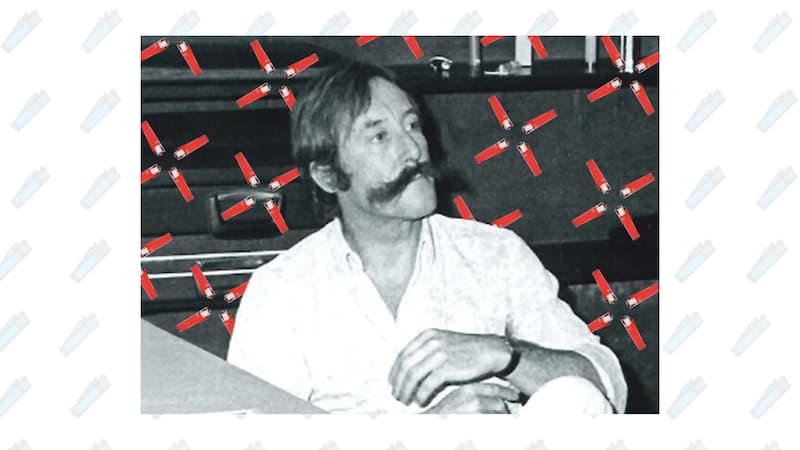
The 1970s brought democracy and mass production to the world of lighters in the form of Bic and Clipper, two brands – French and Spanish, respectively – that dominate the market today. However, perhaps few know that the design of the Clipper lighter, revolutionary in terms of durability and replacement of parts, is a Spanish invention, or depending on how you look at it, a Catalan one. In 1972, a young designer named Enric Sardá came up with a lighter construction formula that would become a worldwide bestseller. Since then, the Flamagas company, with José María Puig as founder, has not stopped expanding with factories in Spain, China and India, among other places, until reaching the production of one million units per day.
But what are the objective advantages of the Clipper over the Bic?
For starters, it’s refillable and doesn’t become a useless item when you run out of gas, costing 10% of the lighter’s value. Its ability to replace practically all the pieces, especially the stone, is also highly appreciated. Curiously, cigar rollers found in the removable stick a perfect ally to press the contents of their smokable devices. According to the company, this utility was not foreseen by the designer, but today they incorporate it as one of their strengths and have launched a brand of cigarette paper booklets. Also, at least in its early models, the Clipper was dimmable, but one fine day in the mid-’80s it stopped being produced in a standard format, giving rise to all sorts of urban legends about it being too good and durable, and not generating enough business.
Flamagas, through its press department, affirms that the reason was a technological innovation, the so-called self-adjusting flame, a system that modulates the size of the flame avoiding unforeseen flashes, and that the adjustable Clipper, apart from in the nostalgic market of ebay, it can be purchased at the ‘high end’ of the brand.
In this way, as an ecological and reliable product, the Clipper is emerging as the favorite lighter of the 21st century, especially in developing countries, and its design has become an icon of the times, while at the same time It serves as a support for all kinds of creativity and propaganda possibilities. At the company they are in contact with designers from all over the world with whom they can work on the new collections. In any case, the name of Enric Sardá and his popular Clipper must be added to the list of Spanish devices darkened by the passage of time, a place that he shares (honorably) with Juan de La Cierva and his gyroplane and Isaac Peral and the bathyscaphe .